AI Can Write Swift and Kotlin Now. So What's the Point of Cross-Platform?
On September 10, Shopify’s head of mobile published a post.
On September 10, Shopify’s head of mobile published a post.
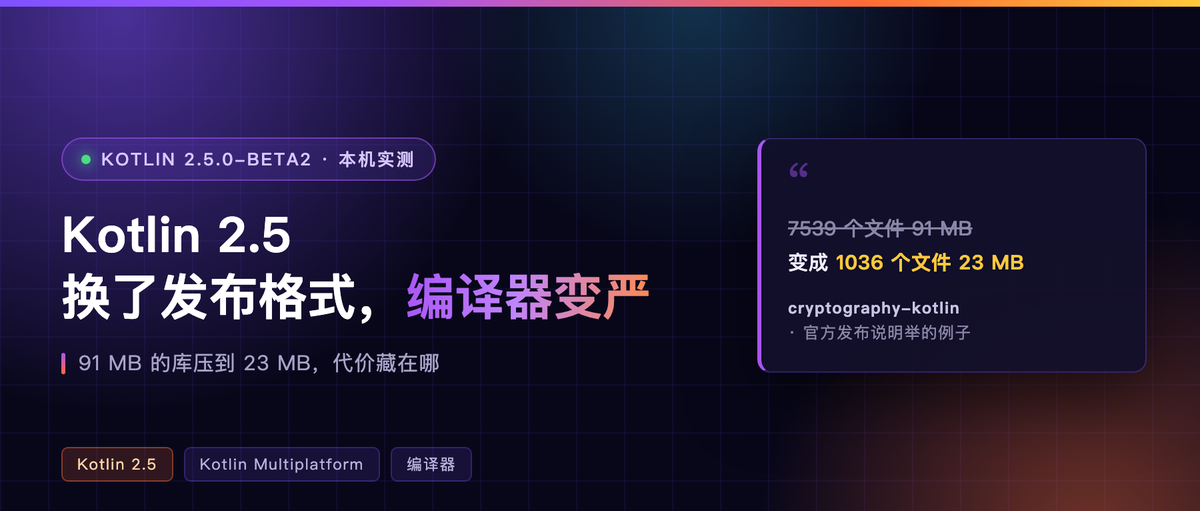
On October 21, Kotlin 2.5.0-Beta2 shipped. Most people open the notes, read the four promoted and two experimental language features, decide it is unremarkable, and close the tab.
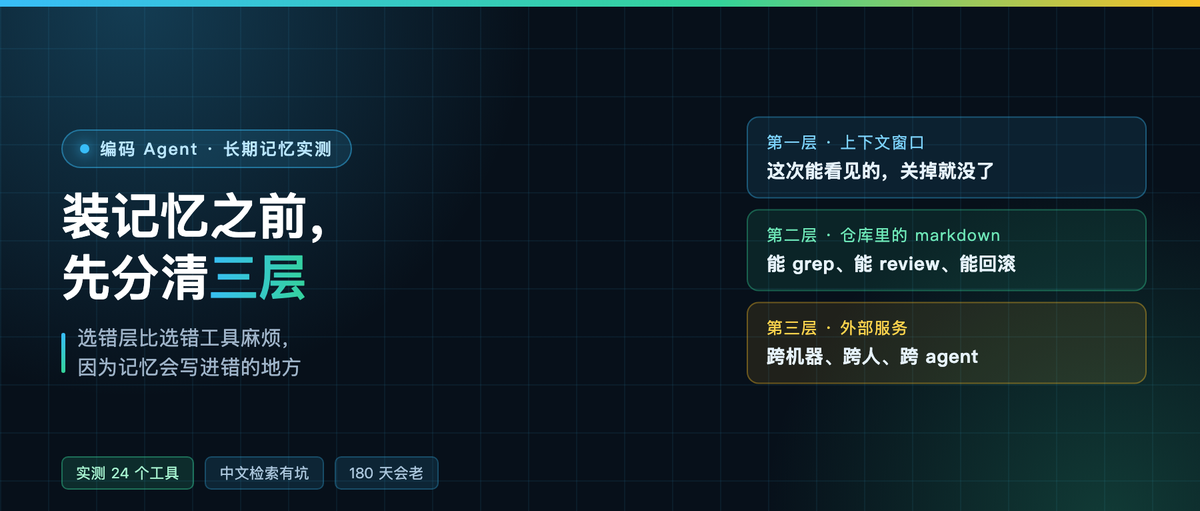
I have had memorix attached to my DeepSeek Harness the whole time. Months of use, zero problems.
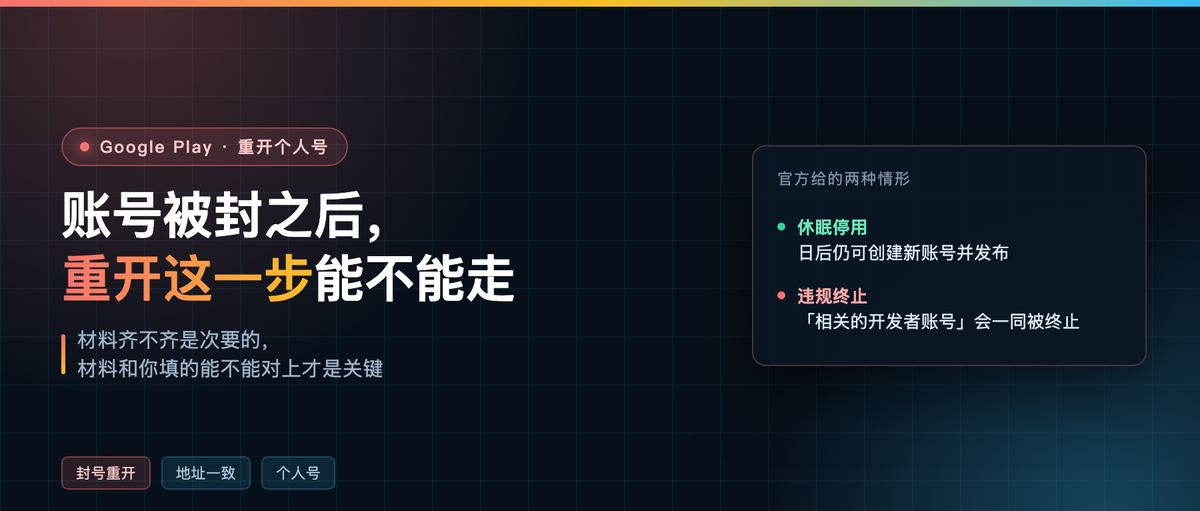
The day my account got banned, my first reaction was the same as yours: register another one.
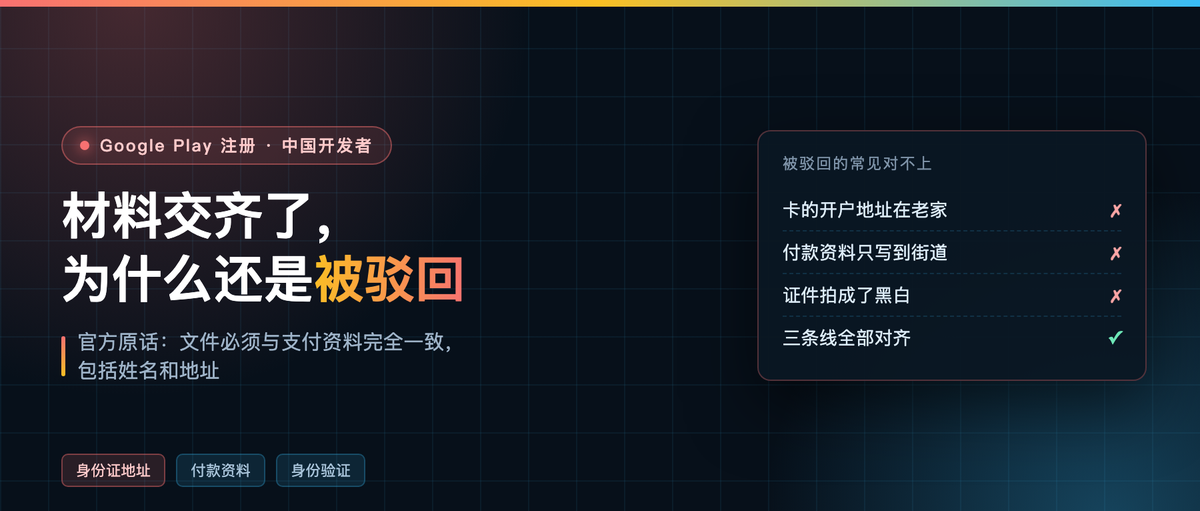
Someone asked me again last week what to do about a rejected Play developer account. Going through his materials: ID photographed, card linked, the $25 charged successfully. The problem was the address — his card’s billing address was the office, the address on his ID was his hometown.
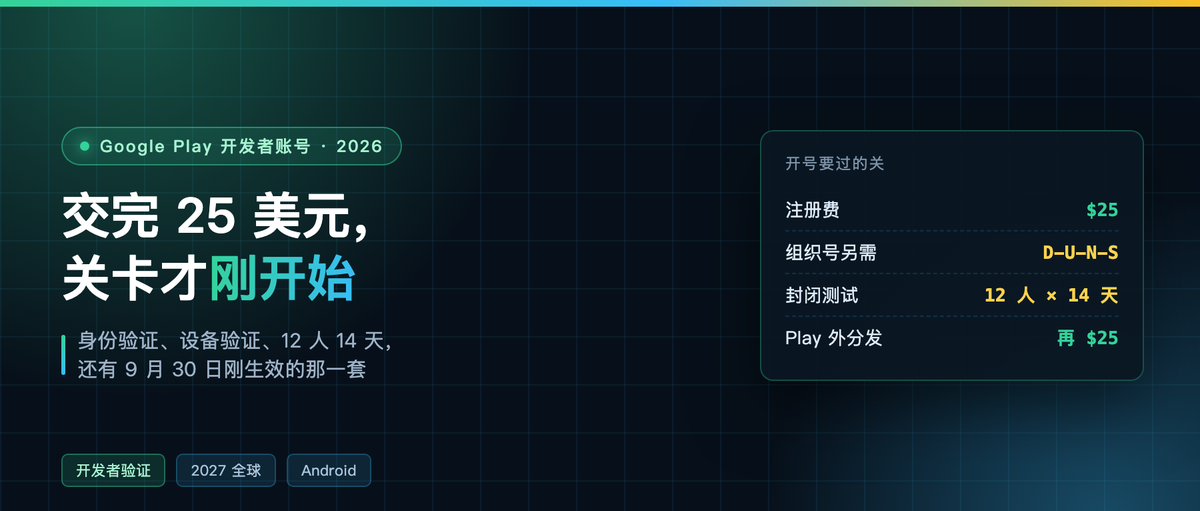
Chinese tutorials on Play developer accounts mostly stopped updating two years ago: $25, a credit card, an address, wait a day. That is no longer enough.
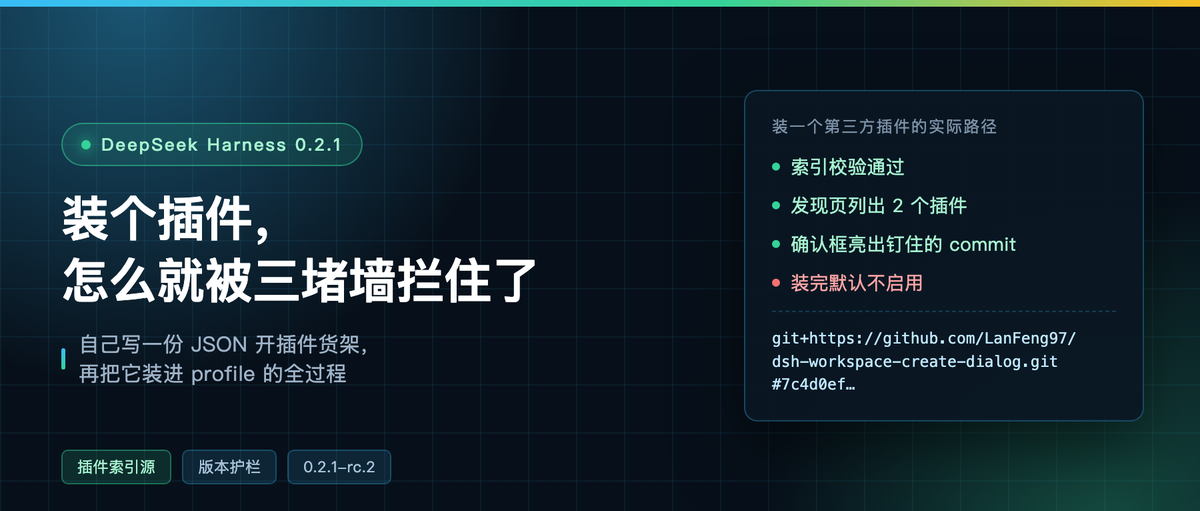
DeepSeek Harness keeps saying Everything is a Plugin, meaning features are all built as plugins. Version 0.2.1 moved one step further and started managing where plugins come from: rc.1 added an entry that lets users discover and install plugins from custom plugin index sources.
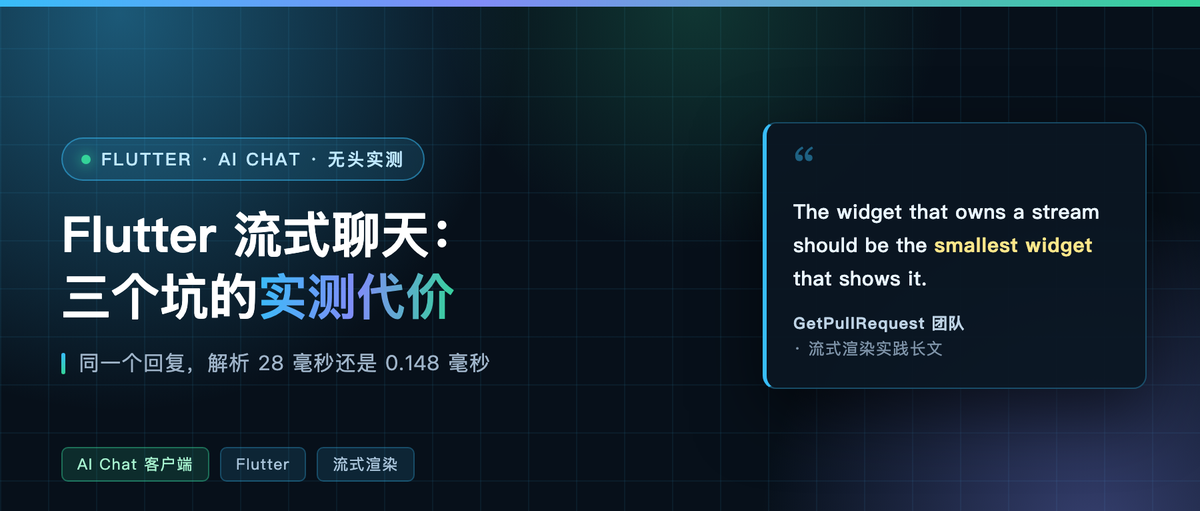
Anyone writing an AI chat client runs into this: the model does not hand you the answer in one go. It dribbles out token by token, wedging tool calls, code blocks and stretches of thinking in between. The user staring at the screen is really watching a tree grow while someone keeps rearranging it.
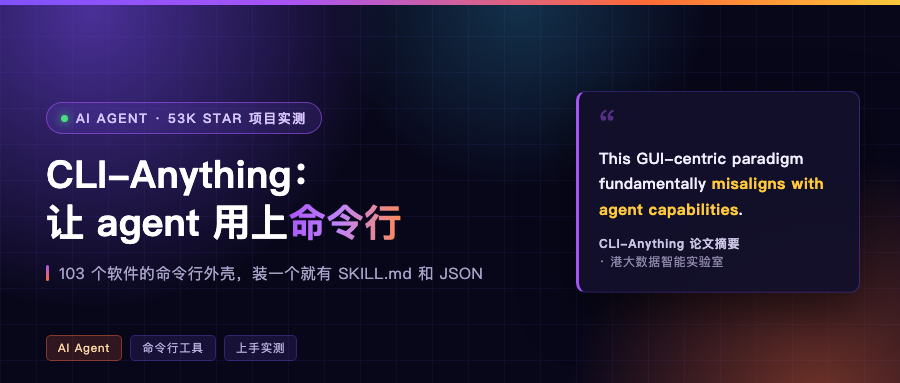
The most common way to make an agent drive software right now is to let it look at screenshots, find buttons, and click coordinates. It works, but it is brittle. Resize a window, move a button a notch, let a page load half a beat slow, and it starts clicking blindly.
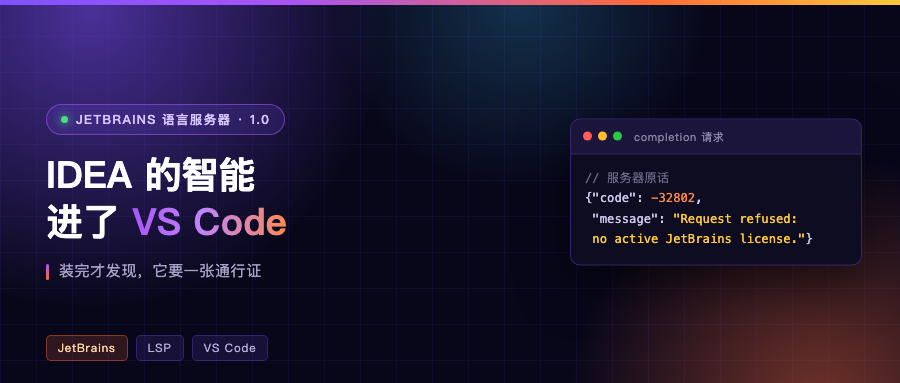
Completion is guesswork, go-to-definition is luck, and you do not dare press rename. On October 15, JetBrains turned the Java and Kotlin engine from IntelliJ IDEA into a language server extension and shipped 1.0, installable in VS Code, Cursor, and Google Antigravity.
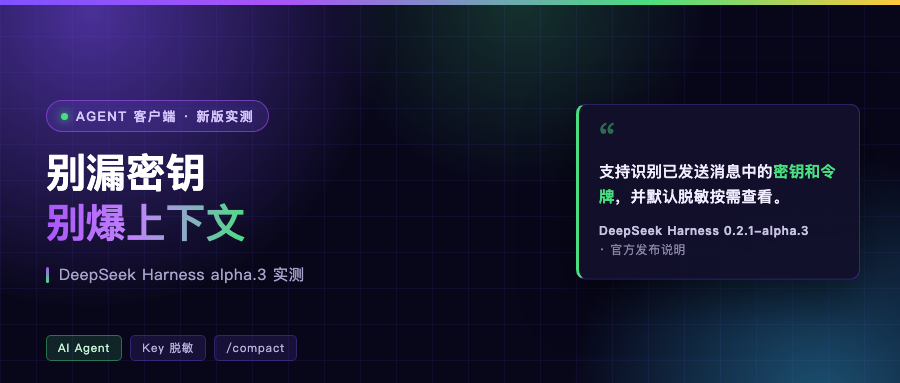
Number one. You paste a chunk of logs into your agent client to chase down a problem, and the logs carry a line DEEPSEEK_API_KEY=sk-.... Problem solved, and that line is still sitting in the session history.
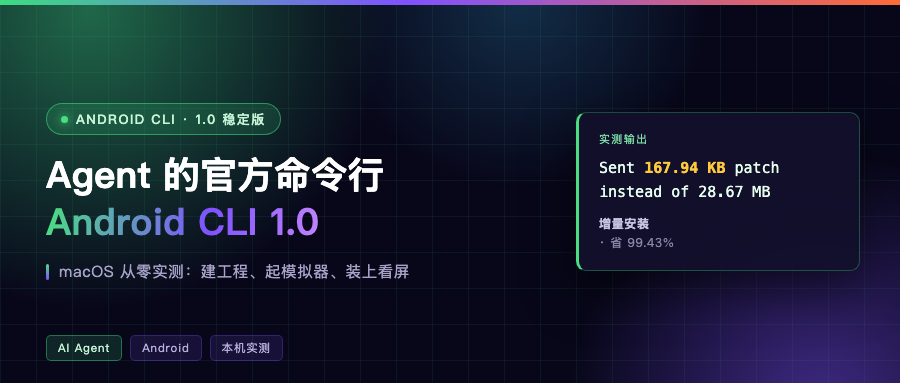
You have an agent write some Kotlin. It says it’s done. Now what?