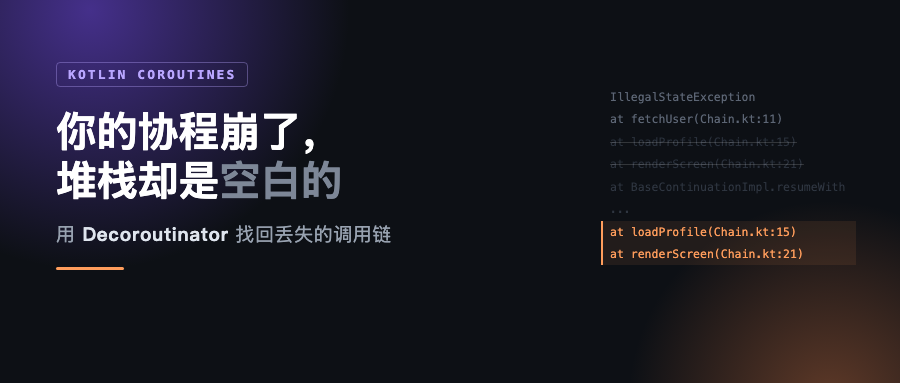
Your Coroutine Crashed and the Stack Is Blank: Getting the Lost Call Chain Back with Decoroutinator
Production threw an IllegalStateException. You open the stack trace and see this:
Production threw an IllegalStateException. You open the stack trace and see this:
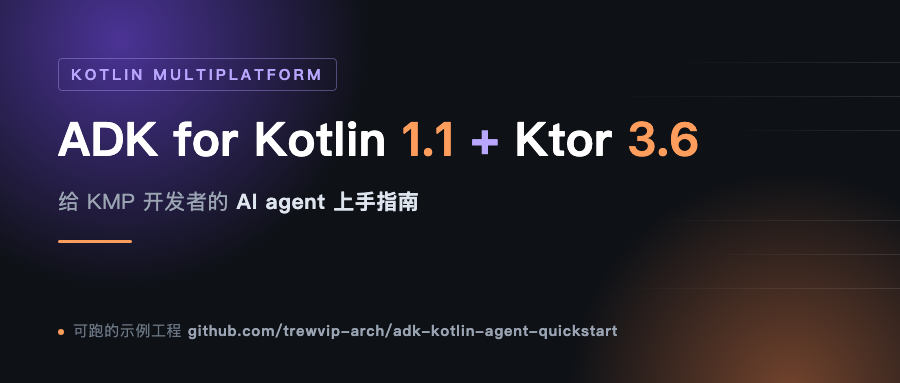
Python’s agent frameworks have already cycled through several generations — LangChain, LlamaIndex, and now Google’s own ADK. Kotlin has been quiet the whole time — not because nobody wanted to build one, but because there was nothing official to lean on, and nobody quite dared put it in production.
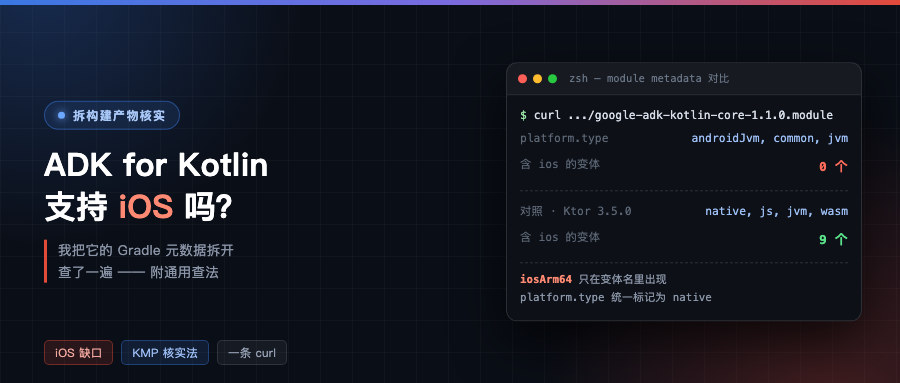
When I introduced ADK for Kotlin 1.0, I wrote that “if iOS support lands later, that’s one codebase reused across three platforms.” That wording was slippery — placed next to “KMP core,” it reads way too easily as “iOS should just work.”
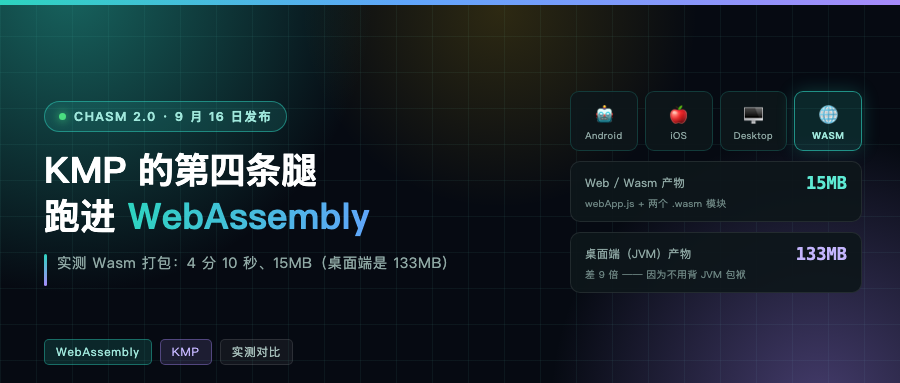
Android, iOS, desktop: the three places KMP has covered solidly for years. The fourth leg is WebAssembly, and last week’s Chasm 2.0 is on that line.
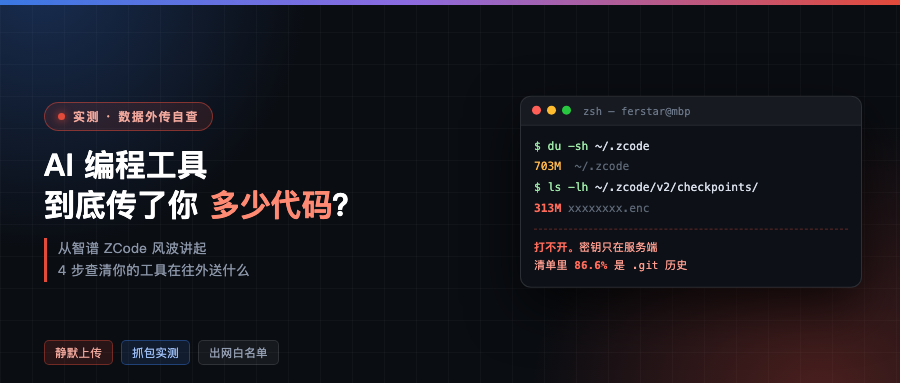
While cleaning up his disk, tech blogger ferstar noticed the ~/.zcode directory was taking up a lot of space – over 700MB.
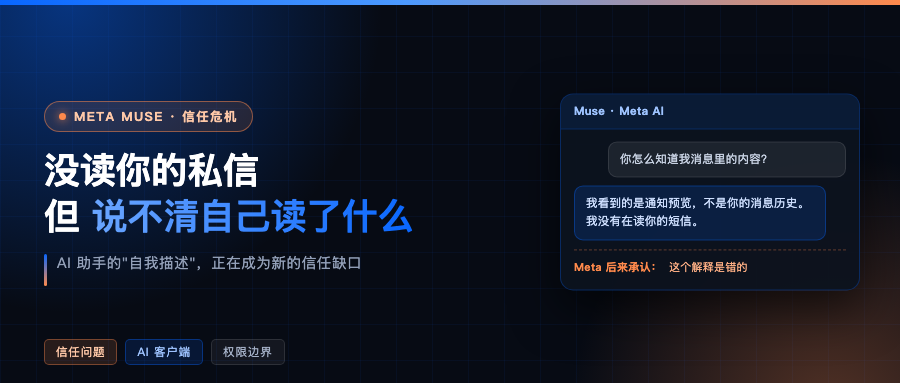
Last week Inc Magazine contributing editor Jason Aten posted some screenshots on Threads. He was chatting with Meta’s new AI assistant Muse, and partway through something felt off — Muse started asking him questions about conversations in his Messages.
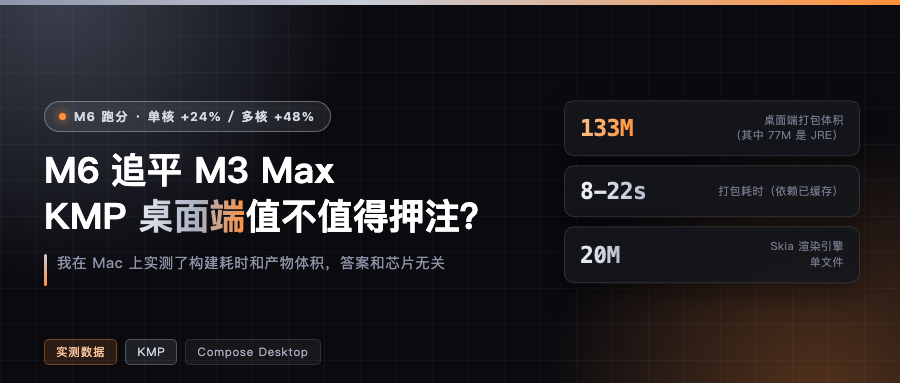
Apple’s M6 benchmarks have been trickling out the last couple of days. Single-core about 24% above the M4 part, multi-core about 48%, and multi-core straight up matches M3 Max — a mid-range chip tying the previous flagship on multi-core is genuinely wild.
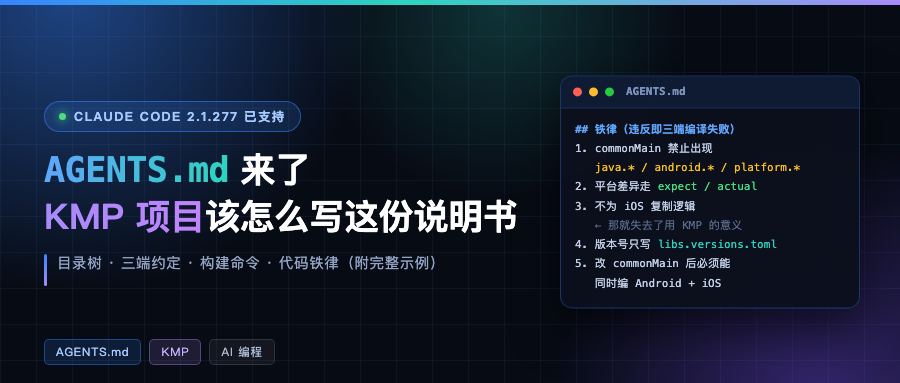
Starting with yesterday’s news: Claude Code 2.1.277 now supports AGENTS.md (September 18).

One detail first, and it may strike you as a little strange.
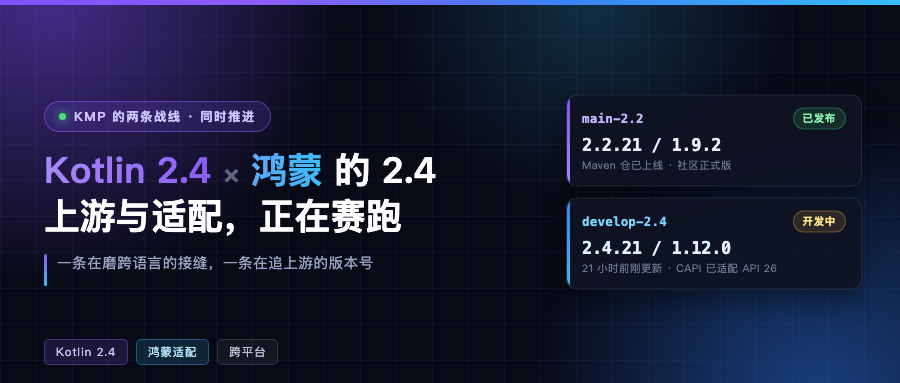
A while back I wrote a piece on HarmonyOS and KMP, and at the time I found one key fact: the stable release the community published was HarmonyOS support built on KMP 2.2.21 / CMP 1.9.2.
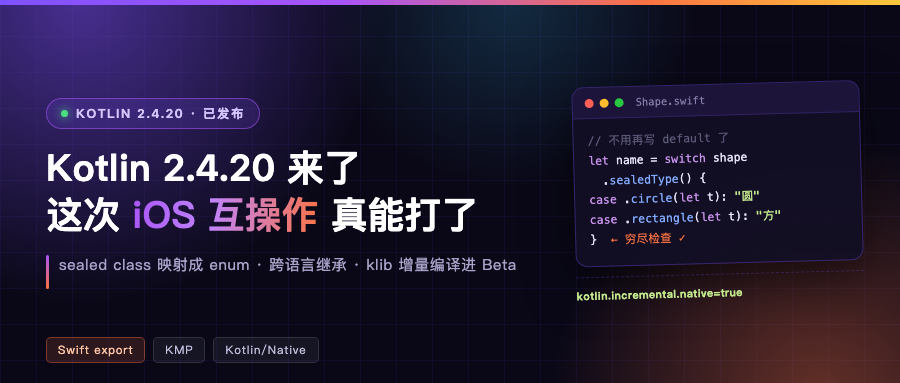
On September 7, JetBrains released Kotlin 2.4.20.

¥65 million — the winning bid on a China Zheshang Bank agent infrastructure project. Add the wealth-management and supply-chain agent projects already in production, and Zheshang’s public agent procurement tops ¥74 million.